
How to Run a Tariff Exposure Audit Before You Enter a New Market
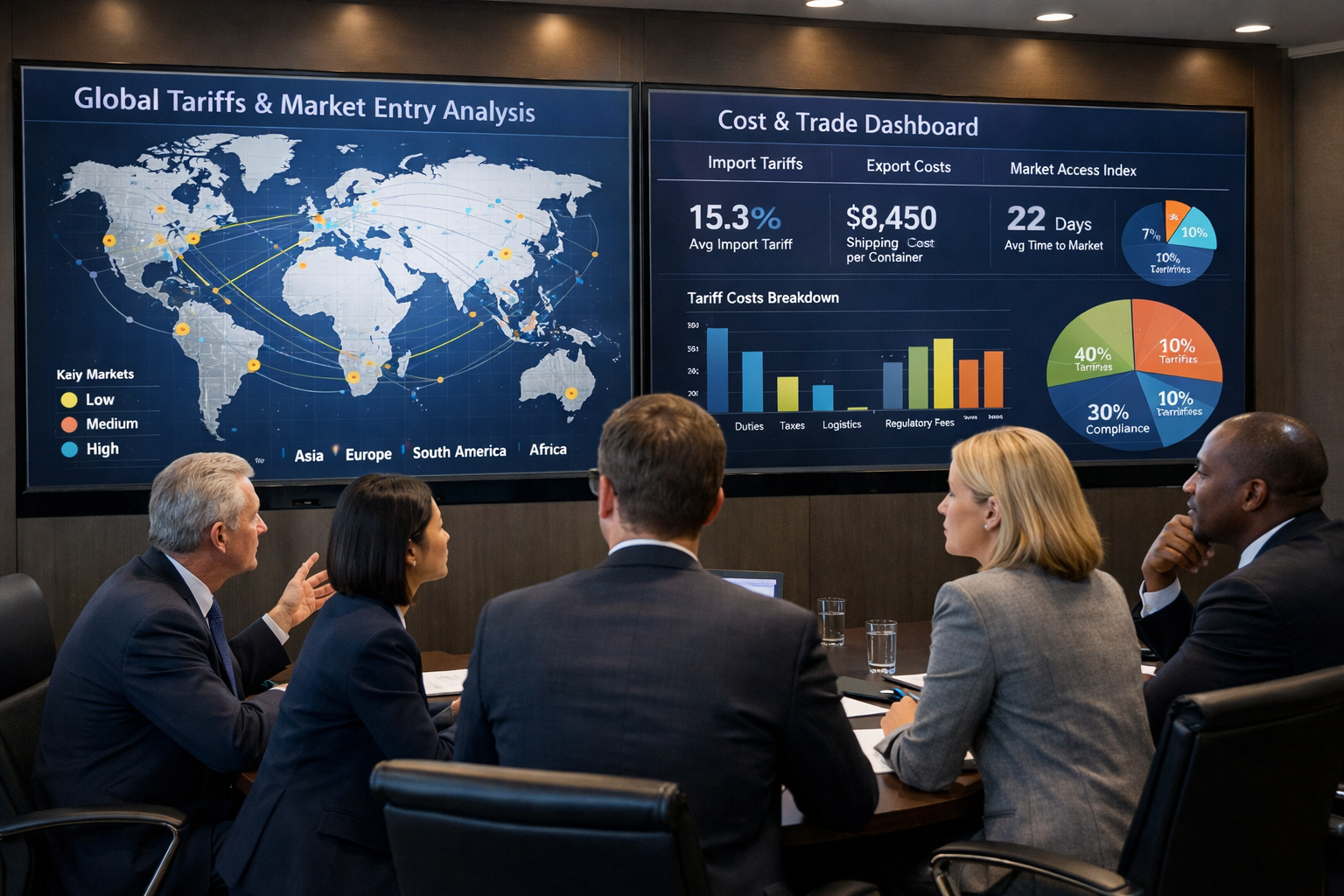
Entering a new market is exciting, but it is also where many businesses underestimate hidden cost. A market may look attractive on paper, demand may be growing, and the route to market may seem straightforward, yet one tariff change, supplier issue, or customs requirement can quickly erode margin and delay launch.
That is why a tariff exposure audit should sit near the start of your market entry planning, not at the end.
Too often, companies assess tariffs as a simple percentage on landed cost. In reality, tariff exposure is much broader. It affects pricing, sourcing, partner selection, inventory strategy, competitiveness, and even whether a market is commercially viable in the first place.
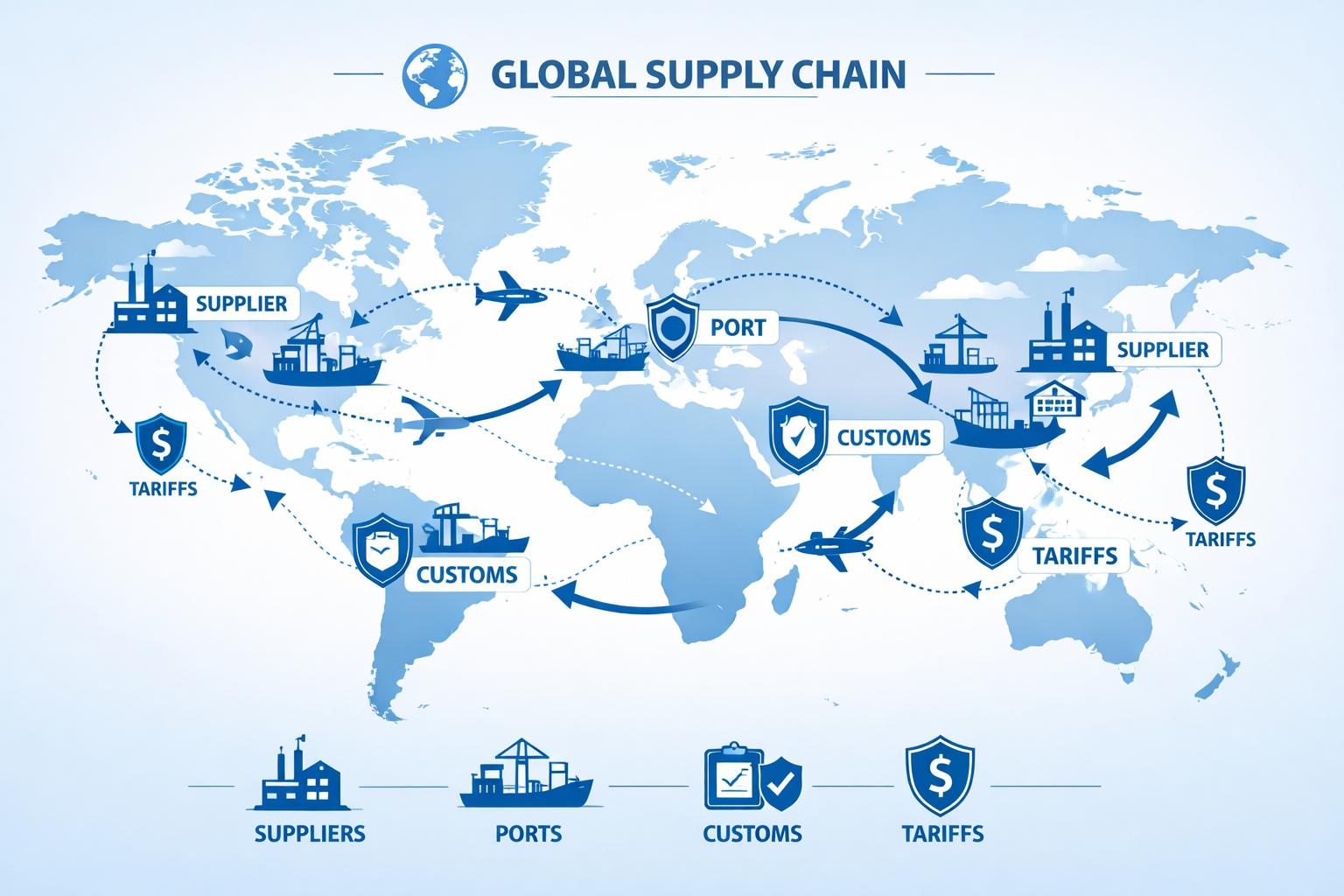
A tariff exposure audit is a structured review of how duties, customs requirements, origin rules, and related trade costs could affect your product, your margin, and your ability to compete in a target market. It helps leadership teams move from assumption to evidence.
The first step is to map your product exposure clearly. This means understanding exactly which products you plan to sell, how they are classified for customs purposes, and what duty rates may apply in the target market. Even small classification errors can lead to incorrect cost assumptions. If you are entering multiple markets, do not assume the same treatment applies everywhere. The same product can face different tariff structures, documentation expectations, and import processes depending on the country.
The second step is to trace supplier and origin risk. Many firms focus only on where the product is shipped from. What matters just as much is where the product, components, or raw materials originate. Rules of origin can affect whether you qualify for preferential treatment under a trade agreement or face higher duties. If your supply chain spans several countries, you need visibility before you commit to a pricing model or market launch plan.

The third step is to assess commercial impact. This is where the audit becomes a leadership tool rather than a compliance exercise. Ask simple but critical questions. Can your current margin absorb the tariff burden? Will you need to increase price? If so, how price-sensitive is the target market? Are local competitors manufacturing closer to the customer and therefore operating with a cost advantage? Tariffs do not just increase cost. They can weaken your positioning if competitors are structurally better placed.
The fourth step is to review channel implications. Your chosen route to market matters. A direct export model, distributor arrangement, marketplace approach, or local warehousing strategy can each create different tariff and landed cost outcomes. In some cases, e-commerce can help you test demand with lower initial commitment. In others, local partners or warehousing may reduce friction and improve fulfilment economics. The right answer depends on the product, the market, and the wider cost-to-serve model.
The fifth step is to stress-test the entry plan. Good market entry strategy is not based on a single tariff assumption. It considers scenarios. What happens if duties increase? What if customs clearance slows? What if a supplier shift changes origin status? What if freight costs rise at the same time? Companies that run these scenarios early make better decisions on pricing, stock levels, supplier diversification, and market sequencing.

A strong tariff exposure audit usually ends with four outputs. First, a product-by-market view of duty risk. Second, an assessment of supplier and origin vulnerability. Third, a commercial impact model covering pricing and margin. Fourth, a set of practical actions to reduce exposure before launch. That may include supplier diversification, product reclassification review, alternative routes to market, revised pricing strategy, or a phased market entry plan.
For SMEs and scaling firms, this process is especially important. Larger organisations may be able to absorb inefficiencies for a period. Smaller businesses usually cannot. One wrong assumption on tariff exposure can damage cash flow, reduce competitiveness, and stretch internal resources at exactly the moment the business needs focus and speed.
The upside is clear. A tariff exposure audit does not just protect against downside risk. It often reveals smarter paths to entry. You may identify a more viable launch market, a more resilient supplier mix, or a route to market that protects margin far better than the original plan.
In uncertain trade conditions, confidence should come from preparation, not optimism.
If your business is planning to enter a new market and you want a clearer view of tariff risk, route to market options, and commercial viability,OpenVentures Consulting can help. We support firms with market research, market analysis, export planning, partner selection, and practical market entry support so expansion decisions are based on evidence, not guesswork. Book a Discovery Call to assess your target market, pressure-test your entry assumptions, and build a more resilient export plan.